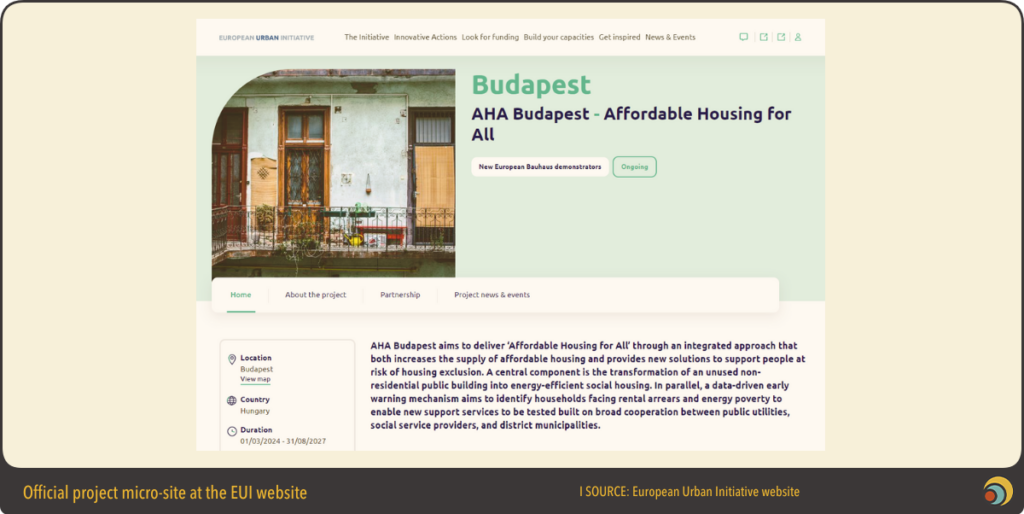
Budapest’s housing market is at a crossroads. With housing prices and rents increasingly decoupled from local incomes, traditional market-driven and municipal solutions are no longer sufficient to address the deepening crisis. Research indicates that approximately 300,000 adults in Budapest would embrace affordable rental models if they provided long-term stability and adequate living conditions. The critical question remains: how can we finance a sector built on social sustainability rather than profit maximization?
This study serves as a vital blueprint for the future of housing policy in Budapest. Researchers Zsuzsanna Pósfai and Csaba Jelinek from the Periféria Center explore international best practices—including the Viennese non-profit sector, Barcelona’s land-use rights, and the French social housing system—to demonstrate how public proactivity can effectively synergize with private capital.
Key highlights of the publication include:
The Financial Toolkit: A deep dive into instruments ranging from revolving funds and state guarantees to impact investment and ethical financing.
Strategic Partnerships: Analyzing the collaborative potential between municipalities, non-profit providers, and employers.
Opportunities for Budapest: Practical recommendations for adapting innovative legal and financial frameworks, such as Community Land Trusts (CLTs), ensuring that subsidies remain within the affordable housing sector for the long term.
More than just a theoretical analysis, this study offers actionable insights for building a resilient, diverse, and equitable housing system in Budapest.